Waiting

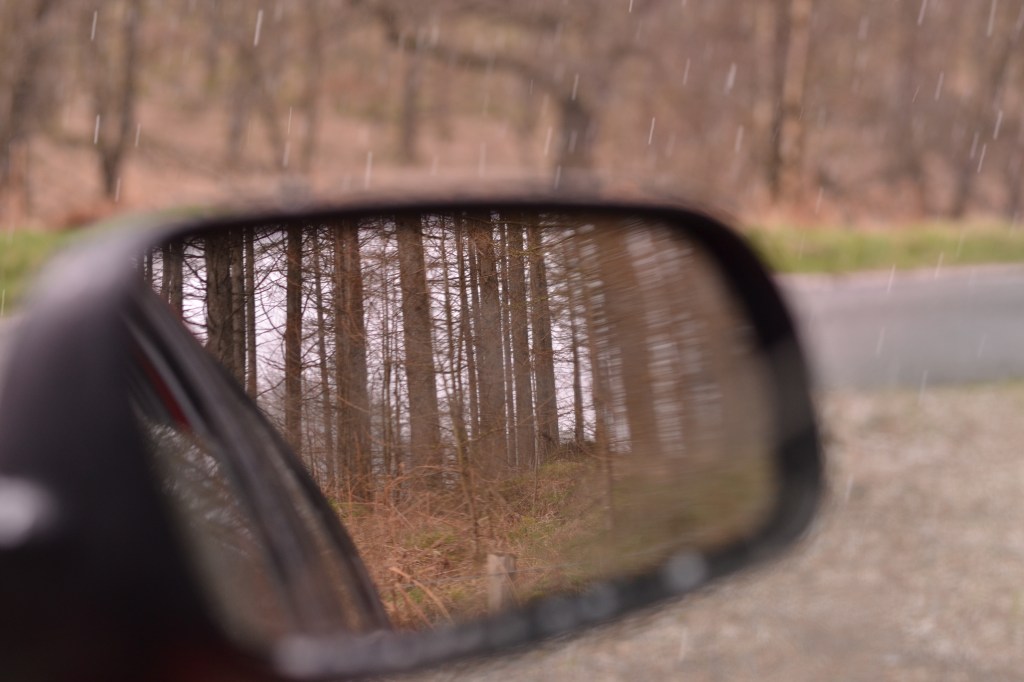
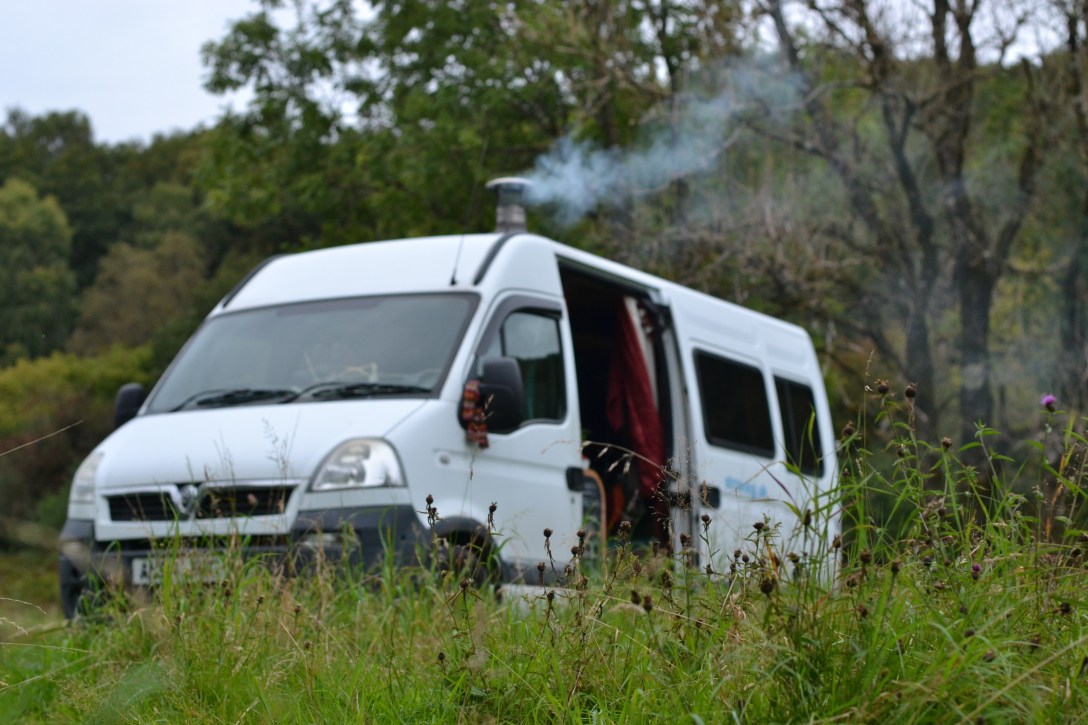
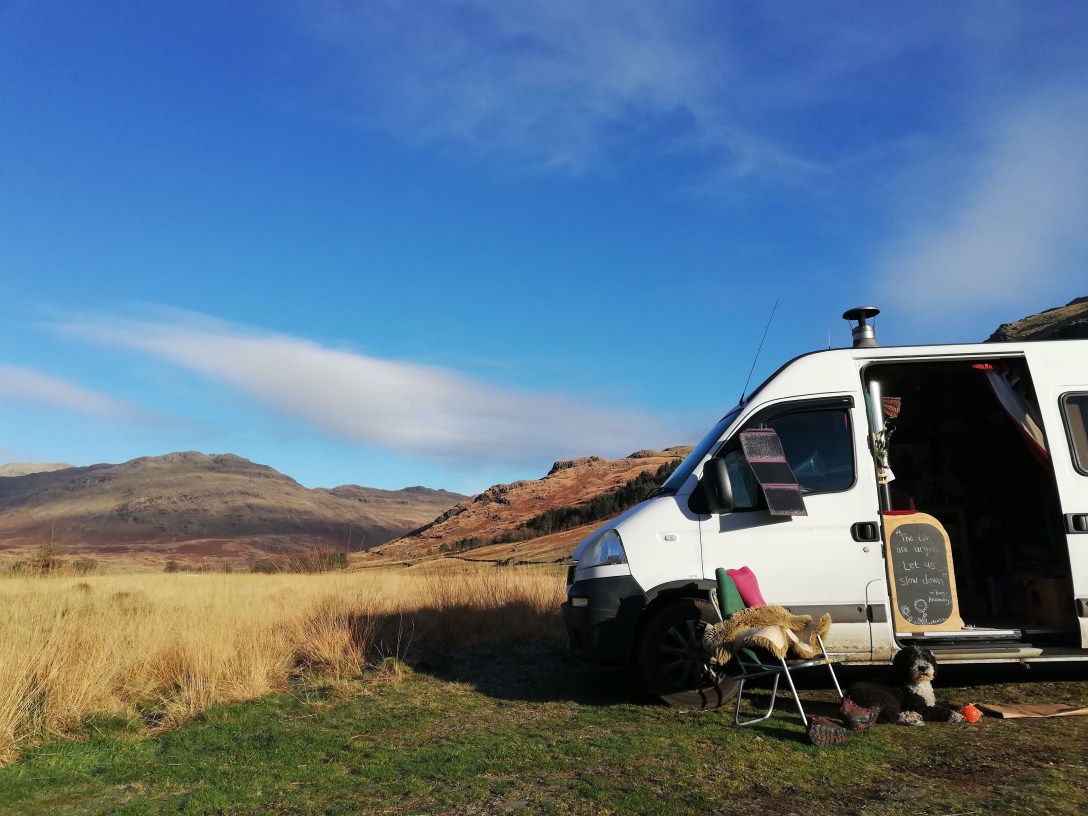
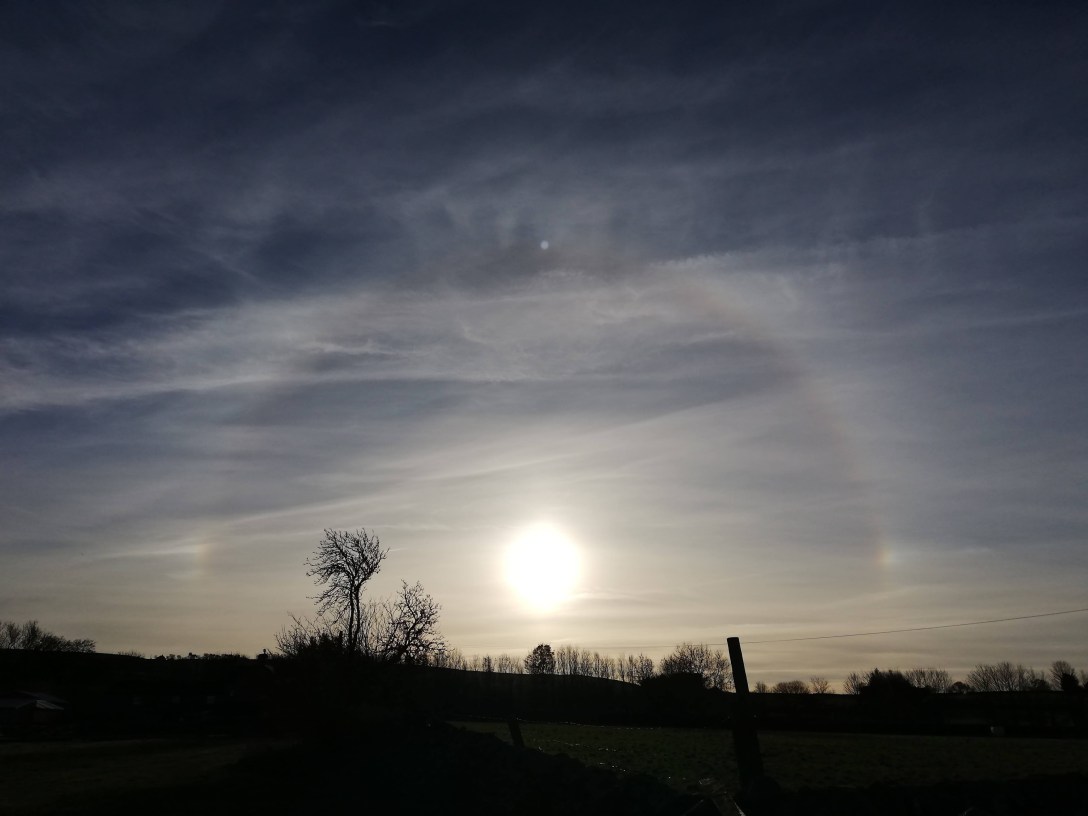
Today (or thereabouts) it’s the shortest day of the year. The long night. Gale force winds are rocking the caravan I’m sheltering in for the winter. The sun is making a low arch across the tops of the bare trees. Twigs litter the muddy, muted green of the grass. Bluetits and nuthatches visit the coconut shell stuffed with suet and seeds, clinging on as gusts spin them around. 

It’s been a long time since I wrote here. I find it hard to write just to fill space and with some kind of regularity. It would feel like a chore, and I’ve reached a point where I can’t give my time to things that feel onerous. So, I write when the words come. Sometimes the words come readily. Other times, they hide like a small, timid creature. I don’t see the need to coax the words to come out of hiding, I’d rather wait patiently for them to approach in their own time.

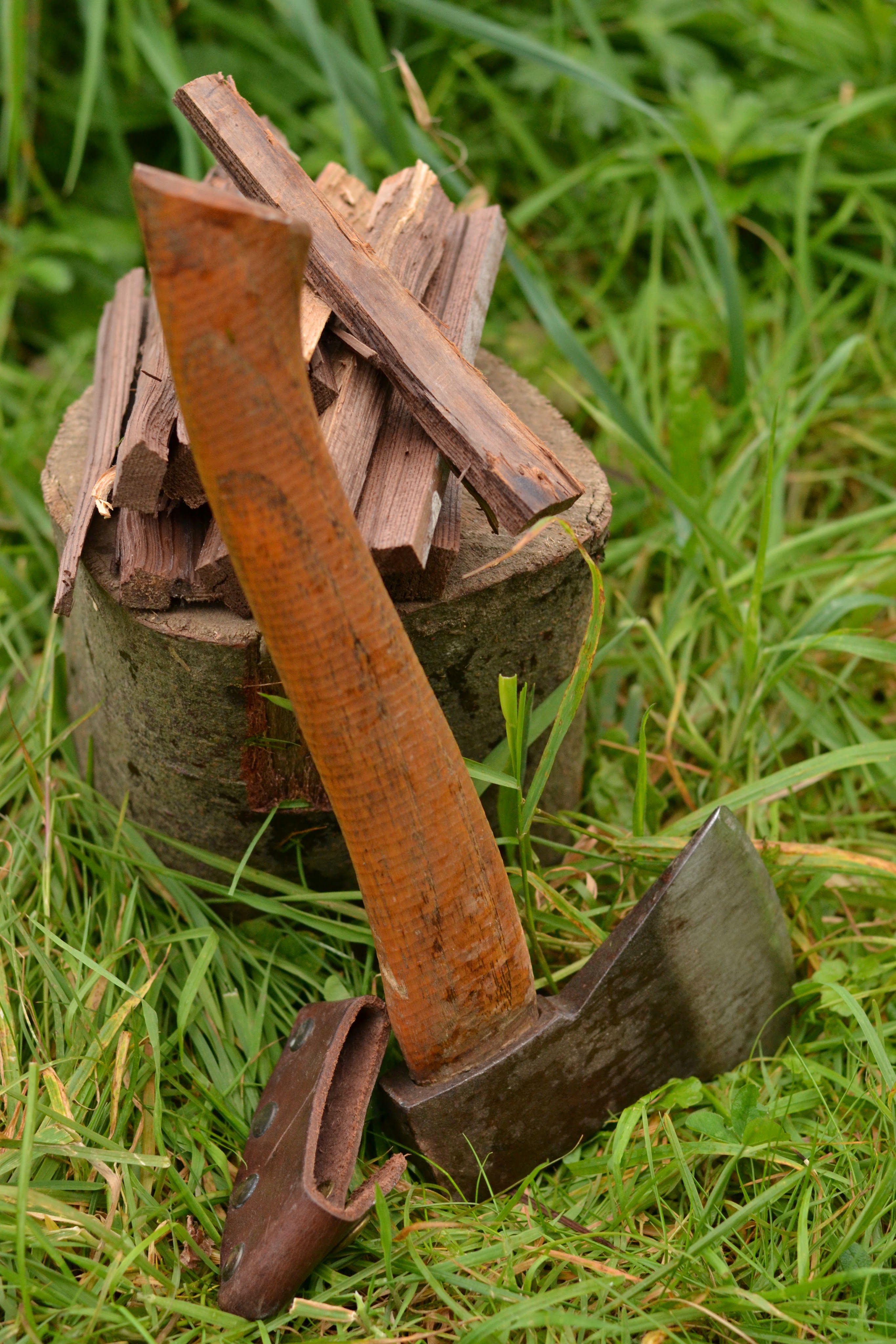
On rare occasions, pieces arrive ready-written. A poem. An essay. A story. It feels almost like I’ve cheated the creative process somehow, but perhaps it’s a reward for waiting patiently. One such poem arrived in April this year, while visiting a land-based spiritual community in Pembrokeshire, Wales. I had spent the night sleeping alone in an iron-age-inspired roundhouse, a place of community and song, with the ancient scents of woodsmoke and raw earth. It was a wild night, much like this windswept winter solstice day. I spent some of the night wondering/worrying whether the tall timber frame would collapse around me and I’d be entombed in this sacred space. Not a bad way to go, I conceded. I lit a small fire, a gesture to light and warmth, and finally slept.

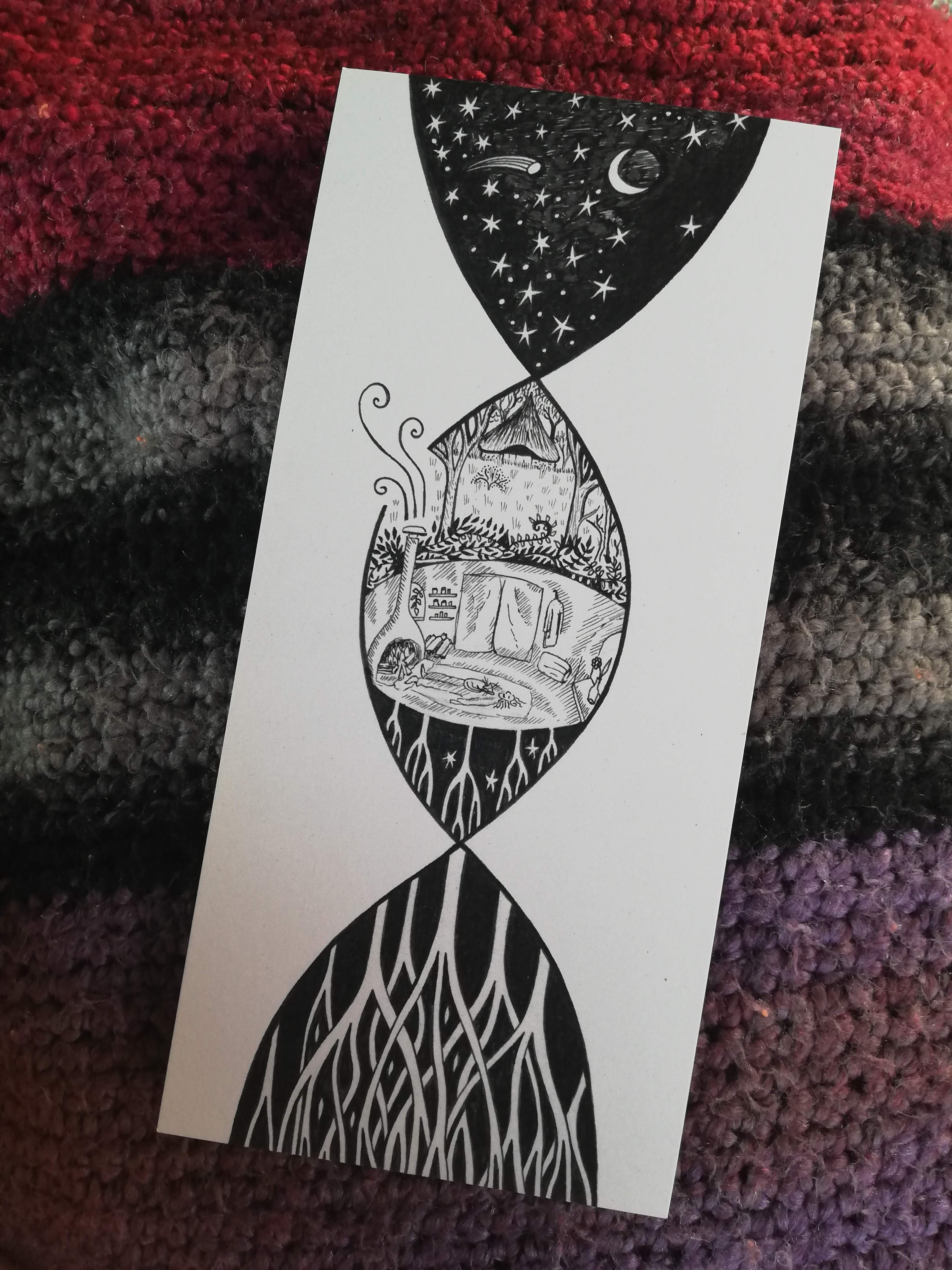
When I woke in the early dawn, this poem almost wrote itself. It seemed to be partly inspired by the place and by the artwork of an artist I do not know, who had left a few of their postcards at the community. Though it was written around the spring equinox, it feels now like an incantation for this time of year.  

Lay Down at Your Hearth

Lay down at your hearth

on the ground of being

Let the wild things braid your hair

   the soft-bellied ones fill your cup

   the rooted ones nourish you 

     with berries and leaves

Listen as the feathered ones speak in song

Let the smoke seep under your skin

   the earth gather under your fingernails

Watch as your old life turns to ash

and fire springs from new wood

Lay down at your hearth

   and dream 


May you all find some time to rest and be with the dark at this time of year, and to let the wild things in. Solstice blessings. X

Life on Wheels- Version 1

Before I had my van, Nessie, I had a car. A very small car. She was my first taste of life on the road. My tiny-home-on-wheels, version 1. 

A few weeks before leaving my job in higher education in 2015, I had a sudden surge of inspiration while I was dropping off to sleep one night. The next morning I turned my car into a camper-car. Shortly after, she was christened Nancy, the nano-camper. She was to be my part-time roving home for two years, before I embarked on a wonderful joint journey in Nessie.

During the two years of Nancy, I had some amazing journeys, discovering new places in both outer and inner landscapes. The first trip was to the Isle of Skye via Glencoe. This was my first solo trip to Scotland at the age of 32. I couldn’t believe I had never been that far north until then. I fell in love, and the love affair with Scotland continues. You could say I’m wedded to this land now (though I do have dalliances with the English Lake District on occasion). 

Back in the Nancy days, I also spent time in Devon while I embarked on a course in nature connection and environmental education at Schumacher college in Dartington. This was to be one of my most transformational experiences since leaving my former life behind. It is difficult to begin to describe the deep learning, realisations and connections that I made in that time, but it continues to have ripples in how I live today. 

While studying in Devon, I also stayed in a cabin on Dartmoor where I met Maggie, an elder, a writer, and a beloved mother, grandmother and great-grandmother. I stayed on her land, Mill Farm, for a few weeks helping tend her garden in exchange for staying in the cabin. Sadly, Maggie passed in 2022 though she lives on in my memory. She was always learning and creating, still curious and open in her nineties. Whilst I learnt much from the course at Schumacher, my time with Maggie and at Mill Farm also taught me about how to connect with land and people. 

On another trip in Nancy, I discovered Dumfries and Galloway. I have no idea what led me to the area; sometimes we follow an inner impulse that we do not know the origin of. I arrived in May, following a short stay at Samyeling, a Tibetan Buddhist Monastery in Eskdalemuir. I remember how green and lush the fields were as early Spring unfolded. I was quietly touched by the understated beauty, compared with the grand scale of Glencoe, or the rugged mountains of the Lake District. It felt like a quieter place to be. There was a sense of community, which feels vitally important in these times of separation and division. Since spending more time in the region over the past couple of years I feel like I’ve connected with the place more deeply, and with the people who call this place home. 

Reflecting on those journeys, I remember feeling that Nancy was facilitating my freedom. She wasn’t just a car, it felt like she was actively supporting me somehow. She was my first taste of living in a tiny space, but I also knew she was just a stepping stone; my spine could only take so much of being crammed into a Seat Ibiza. She allowed those early explorations and gave me the confidence that I could cope with smaller spaces and solo travel, so for that, I’m grateful for the times we shared. 

When it came time to part with Nancy and to move into a slightly larger home on wheels, I was really sad. I had to decommission her, and turn her back into a regular car. I felt guilty in some way, like I was letting her down. I hoped that someone might want her for similar adventures, but it turned out there aren’t many people who are as enthusiastic as me about sleeping in tiny cars! 

Now, nearly six years after parting with Nancy and having formed quite an attachment to Nessie, I realise that it wasn’t ever my conscious intention to live in a tiny home on wheels. Somehow it just unfolded in an organic way, with small nudges of encouragement from friends and other people I met while exploring, and mysterious flashes of inspiration. I can’t help but think what the next iteration of this simple, connected life will be. For now, I am content to wonder.

Life on wheels – why?

A question I get asked regularly is why I’ve chosen to live in a van. The answer lies somewhere between choice and necessity. Mainly, this is a choice because I know of no other way that I could live with this relative freedom to park up in many natural, wild spaces and get the immersion in nature that I feel I need as a vital part of my life. In a smaller part, it’s necessity, because I haven’t found a way of earning enough money- that doesn’t feel destructive to the planet and that is also healthy for me- to buy a piece of land to live this low impact life in one place. In some ways this is the dream of rooting myself in the rhythm of one place, to get to know it intimately and it me. But the current (and numerous) obstacles to owning land in the UK make me think this is a dream that will not be realised. 

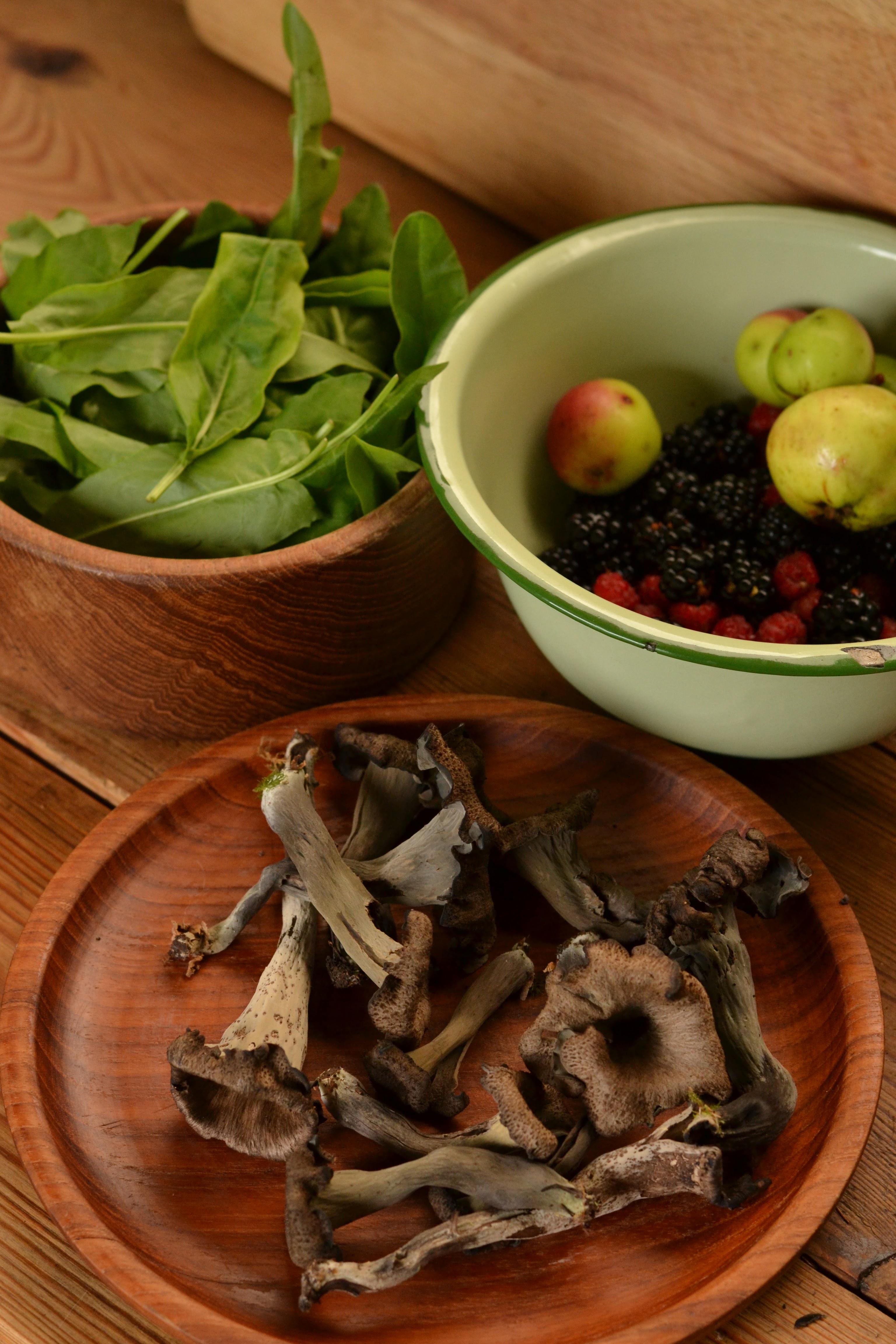
And right now that feels ok because I have found many ways of creating a connected and rich life while not being rooted in one place. Some of these practices are simple- sitting silently and observing, listening to the sounds of a place, walking barefoot. I also love to forage and I often remember places I stay because of something I foraged there; greens, berries, firewood. I now have a mental map of the places I’ve been, based on the things I’ve gathered there. 

I can’t say it’s easy living in this way. There is nothing particularly convenient about it. But I’ve discovered that I like to challenge myself with finding resourceful and low-impact ways of doing things. With limited space, everything has to earn its place, so I love to find multiple functions for one object; my cajon is also a table, a stool, and a laundry basket.

I’ve realised that modern ways of living, though seemingly convenient, actually have complexity behind them and a certain way of tethering and limiting us. I don’t have a fridge, so keeping food cool is obviously tricky. If I did have a fridge, I’d need a more sophisticated power set up and I’d probably have to spend time on sites charging up. That would mean more expense, more technology to maintain, more emissions. That could be limiting for me in terms of finances and freedom. My ways around it are to eat less foods that need refrigeration, or to use a stream or river to keep things cool. (Making ghee out of butter which lasts a couple of months unrefrigerated means I can have some little luxuries!) 

On the whole, not having a fridge is a sacrifice I’ve found to be worth making, and doesn’t feel at all limiting, if anything it feels more freeing. My diet could be considered to be basic, but I eat far less processed ‘convenience’ food and I think carefully about what I really need to eat. I also forage more, so possibly I get more varied microbes and micro-nutrients into my gut ecosystem than if I didn’t eat wild food (there’s currently a controlled study into wild foods and how they affect the human gut microbiome, The Wild Biome Project discussed on The Food Programme: Eating Wild on BBC Radio 4). In short, I feel healthier than when I do spend time in houses and around modern conveniences. 

Space to wonder

But, let me be clear, this isn’t an Instagram lifestyle. For one thing, I shit in a bucket. And my van is of an age where she constantly needs care and repair. It is challenging. Sometimes it’s really rubbish. When your van breaks down in the middle of nowhere and you’re precariously parked in a layby, or the rain is incessant and you have condensation on every surface, not to mention moss growing on your window sills, you just wish you had a cosy, dry home to go back to. And sometimes I just don’t want to have to move on, I want to be able to say, This is where I live. Here

But living in this way I feel like I’m learning every day. No two days are the same. Generally the people I meet when I’m travelling are friendly, kind and interested. When they’re on holiday or travelling, they seem to be more open and curious, and so am I. It’s as though people have stepped out of their normal lives for a while and there’s space. That’s what it feels like to live in this way; no plans or routines, space and time to wander and wonder. There’s a richness in this life that no money can buy. I’ve met some wonderful people who are now dear friends, and this is one reason I carry on doing it. 

There may or may not come a day when I feel that this isn’t the way I want to live and I’m not thriving anymore but right now, despite the challenges, this is how I want to move in the world. There’s a freedom, a rich simplicity that I haven’t found through living any other way, and so I’ll continue to stravaig through life. 

If you’d like to receive updates when I publish a new post to my journal, please enter your email below:

The return

For those who have read my previous journal posts, it may be clear that I enjoy foraging. Foraging has taken on many forms for me, and this continues to grow as I learn more and experience each turning season and visit new places. Foraging extends deeper than a way to fill my belly. Undoubtedly that’s part of it, but foraging has layers. We can forage in different ways- for new skills, for connection, for meaning. 

As someone who lives on the road, foraging is an act that offers me a way to connect with place. Moving around can sometimes feel unsettling, but by noticing the natural surroundings it can help me to feel grounded. To forage I have to use my knowledge and senses, and this means I’m present to the physical space I’m in. I need to interpret what I see. I need to know what type of trees are in the wood, where the water is flowing. I need to be curious and observant. This knowledge I’ve gathered has come largely through experience, from going out with my backpack and basket. 

There’s a sentiment which I believe is attributed to tribal hunter-gatherers, “I’m just taking my spears for a walk”, rather than saying explicitly that you’re off to go hunting. It’s a way of not having any expectations of what you might catch, and quite possibly it’s a way of not jinxing any potential good fortune and not being hubristic. This is a sentiment I like to extend to foraging. I try to carry this in my mind when I’m also carrying my foraging basket. Rather than having this idea that I’m going out to find a particular fungi, or I’ll hit the jackpot with a megaload of bilberries, I say to myself that I’m just taking my basket for a walk. I try to be open to what might appear in my path, and recently, this was something special.

I was taking my basket for a walk in a deciduous woodland in the area of Newton Stewart, Dumfries and Galloway. Of course I had the hope that I might find some kind of fungi, but I wasn’t attached to the outcome. I realised I’d found myself on a deer trail. I could see the obvious signs of a slender path frequented by these beautiful creatures. Within a few heartbeats of this realisation I turned on the path and looked down at an antler on the ground. It was lying a few hoof steps away from a small shallow burn. I felt I was in deer territory and then like a sure sign the antler was there to confirm it. This was one of the unusual and unexpected gifts of taking my basket for a walk. I also happened to find some perfect hedgehog fungi, a small troop of chanterelles and I revisited a precious cluster of horn of plenty to find a couple of fresh ones. I returned with some dinner, and the antler. Even stranger, an hour or so later, in an obscure place in the woods, I met a person that I had met a few years earlier in Cumbria under very different circumstances. It was a serendipitous meeting; perhaps that antler acted like an antenna. 

I also have an interest in medicinal and therapeutic properties of plants and wild food. I have gathered and made my own tinctures from hawthorn, lemon balm, bilberry, goldenrod, to name a few. It may be that these tinctures have no physiological effect, but it isn’t just about the physical effect and the resulting tincture, it’s about the finding, the gathering, the creating. This is all part of the medicinal properties for me. I believe that this is why GPs are now prescribing walks in nature, because nature is medicine, and it’s where we’re from and where we have become disconnected from. It might sound woo woo or like I’m a tree hugger, but for me being “in nature”- foraging for food, medicine, meaning- is not only healing, it is vital to what makes me human and animal. I feel connected in a way I never will from going into a supermarket or pharmacy. 

On the rare occasion that I return from a walk with an empty basket, I have a calm mind and a satiated spirit. I cannot remember a time when I have returned without seeing or hearing something new; a bird call that I’ve never heard before, or a flower that has never bloomed before me until now. I may not have food for my belly but my soul is content. I return changed in some way. 

Following threads

This September it’s eight years since I left my job in higher education. I could never have planned the journey I’ve been on since leaving. I just knew in my bones that I had to leave, to move somewhere else, to move in different ways. 

Maybe I had some idea that I might travel in a van someday. I have a vivid memory of sleeping overnight in a VW polo when I was kid, with my parents and brother. I remember standing in a gateway to a field, the sunrise creeping through the hedge, and the golden light pouring over the grass. As well as a strong visual image, it’s a felt memory. I felt content, fulfilled somehow, like nothing else mattered except that moment. Perhaps as an adult I’ve always been trying to get back to that feeling. Perhaps we all are. I think that’s why I’m doing what I’m doing now, choosing to live in this way- stravaiging, wondering and wandering.

I could never have planned all the threads I would follow in the past few years. I’ve never had this idea of what I wanted to do or be in life, a 5-year plan. The threads have been, are, numerous and deep. Some are ancient- spinning on a drop spindle, developing a personal yoga practice, growing vegetables from seed and soil. I’ve realised that I’m quite musical, and I’ve learnt to play whistle and banjo. I never set out to do any of these things, but sometimes strange things present themselves to you, and you give it a try. I now have so many creative threads to follow that at times I lament not having more hands. I fantasise about being the Hindu goddess, Durga, with eight arms. I could knit, spin, play banjo and cook dinner all at the same time. Though that would probably end up being quite messy and confusing- imagine knitting spaghetti while boiling strands of yarn.

At times this journey has felt like an unschooling, a letting go of some of the unhelpful ways, the unhealthy habits. I’ve been choosing what I want to learn, and how I want to learn it, at my own pace, in my way. I’ve read a lot of books, thumbed through many field guides, done a few courses here and there. I’ve experienced life. I’ve found a community in nature, among the feathered and furred beings, the leafy ones, immersed in the salt tang of the sea, in the solitude of self. I’ve had deep relationships with the two-legged beings also, and wonderful and sometimes painful adventures. 

This journey has been led by something beyond the mind, deeper than rational thought and planning. I can’t say what this driving force is. Some might call it soul, or spirit, or following your heart. What it’s called doesn’t really matter, but I think what matters is that it feels right. Allowing my internal compass to guide me is about feeling more than thinking. 

And sometimes it’s all felt too much. I can be flattened by a sense of overwhelm, as though my searching has been frantic, rushed, incoherent. Like the threads I’m following are a tangled ball of wool, or more precisely many, many pieces of yarn from different balls of wool…argh! Sometimes I wonder if I’ll ever find the path, a clear direction and destination, a point on the map. 

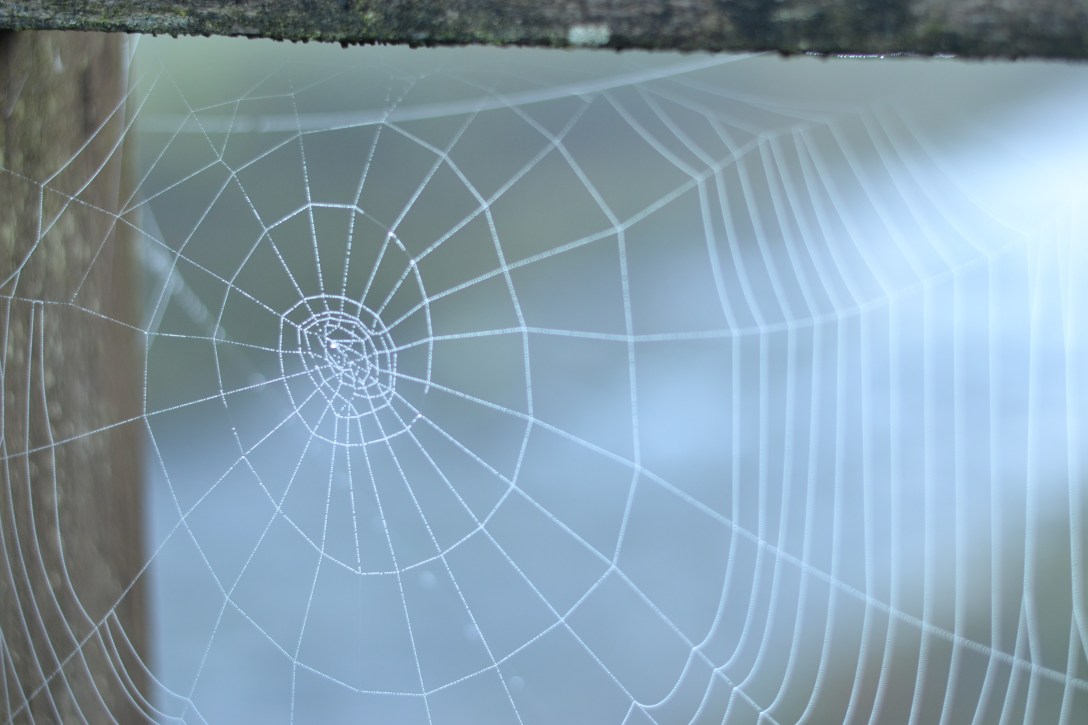
I spoke to a friend about this occasional overwhelm and lack of direction, and she said without hesitation, with a strong conviction and as though it was the most normal thing in the world, “You’re a spider”. She didn’t need to explain it. It felt right. Yes, I’m spinning webs, there is no one path, no one thread; there are many and they are all relevant, all part of me and my journey. 

After that conversation it has felt easier to be me spinning my threads and weaving my web. It feels as though I’m creating something more flexible and resilient, multi-stranded and inherently connected. And as I keep realising in different ways it’s not about the destination, it’s about the journey. Keep spinning the threads, keep weaving the web. What threads are you spinning?

Enter your email address below to get updates when I upload a new post to my journal

Fungi fascination

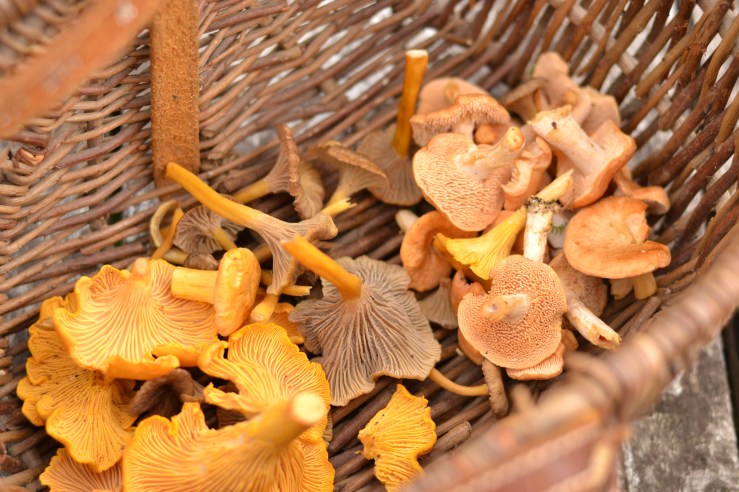
August and September are the months when my fungi field guides and foraging books make an appearance. I pore over them like a gripping novel. Each year I get to know a few more fungi, some tentatively, with plenty of cross-referencing for reassurance. It’s taken me years to build up the knowledge and experience to the stage where I can now confidently identify around ten edible types, and that for now, is plenty for me. Personally, foraging isn’t just about finding food anyway, it’s a lot deeper than that, something I’ll talk about in later posts. 

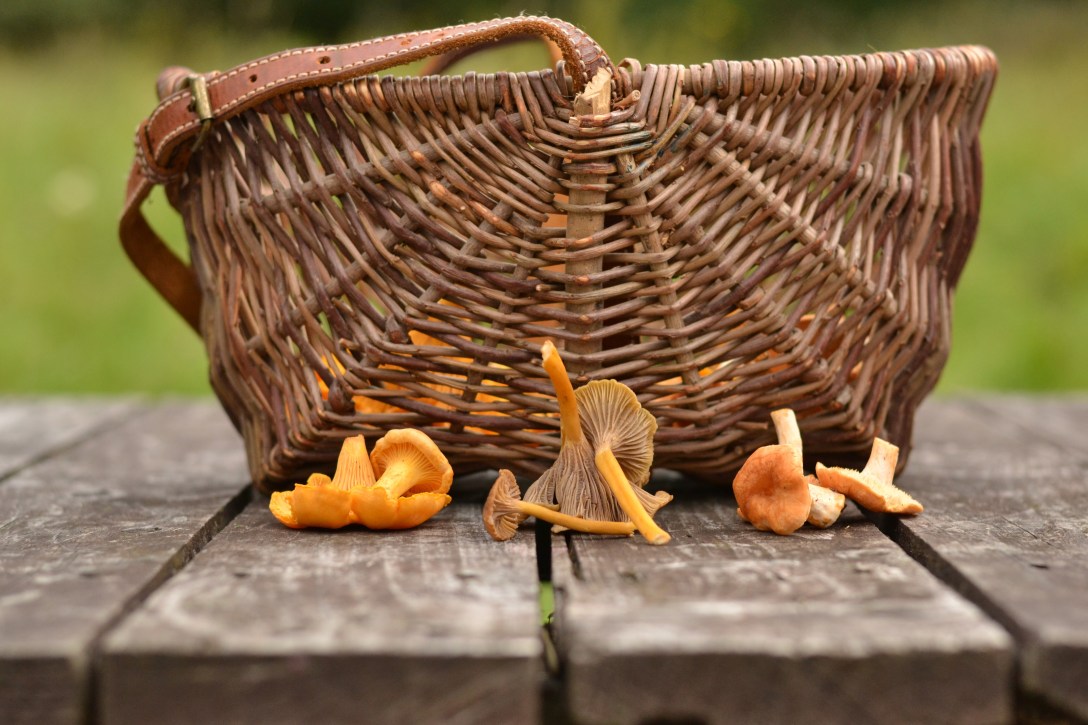
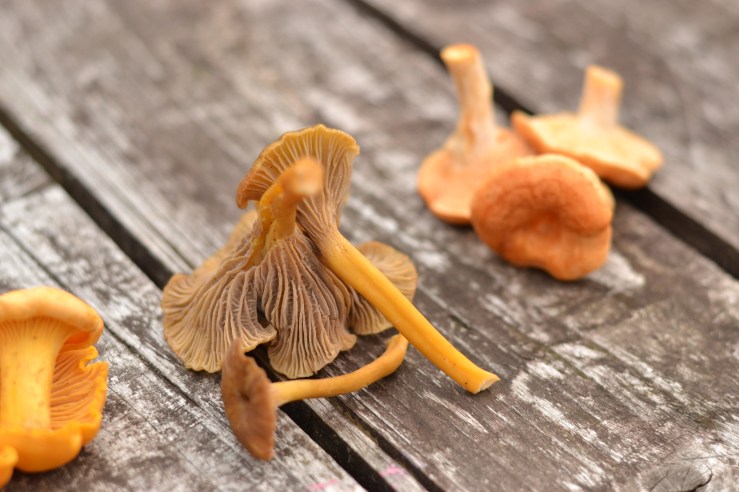
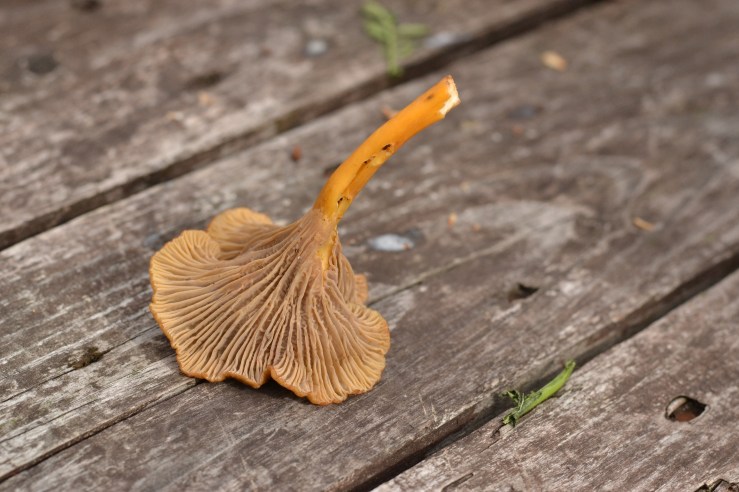
On a recent foray in the woods, my edible finds were chanterelles, winter chanterelles, and terracotta hedgehogs (left to right in the top photo). Interestingly, the hedgehogs I found were quite small and had a little dimple, some even a small hollow in the centre of the cap, not a characteristic I’ve seen before in this fungi. I did a quick search on Galloway Wild Foods, a fantastic resource for foragers and particularly useful as I’m in the Dumfries and Galloway region, where Mark Williams describes that he’s also found a few specimens in various locations with the same feature. These may or may not be a species called depressed hedgehog (!), however this isn’t known to grow in the UK, and they may just be a variant of the terracotta variety. Either way, they are edible and tasty!

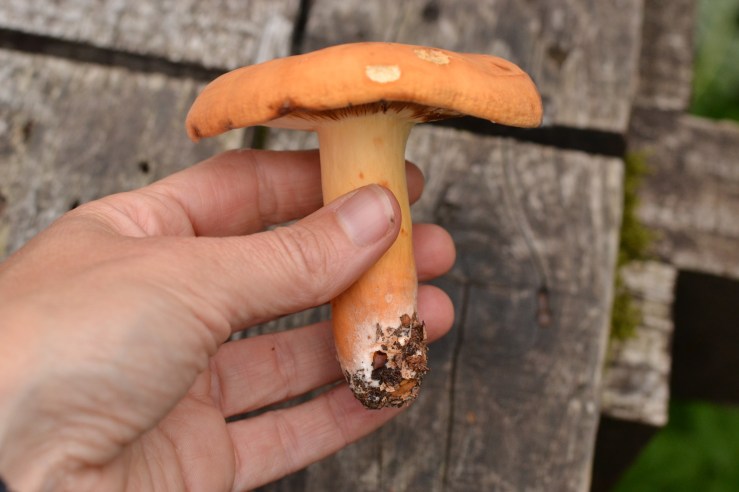
I also found an edible milk cap that I’ve never seen before, and managed to identify it as lactifluus volemus, sometimes known as the Weeping Milk Cap (the specimen I collected is pictured in my hand). It was quite stunning how profusely the milk exuded from the cap when I cut it. Although this is classed as an edible fungi, I’m just not there yet, especially since it smells like a rubbery old fish when it’s been collected (which apparently disappears on cooking)! 

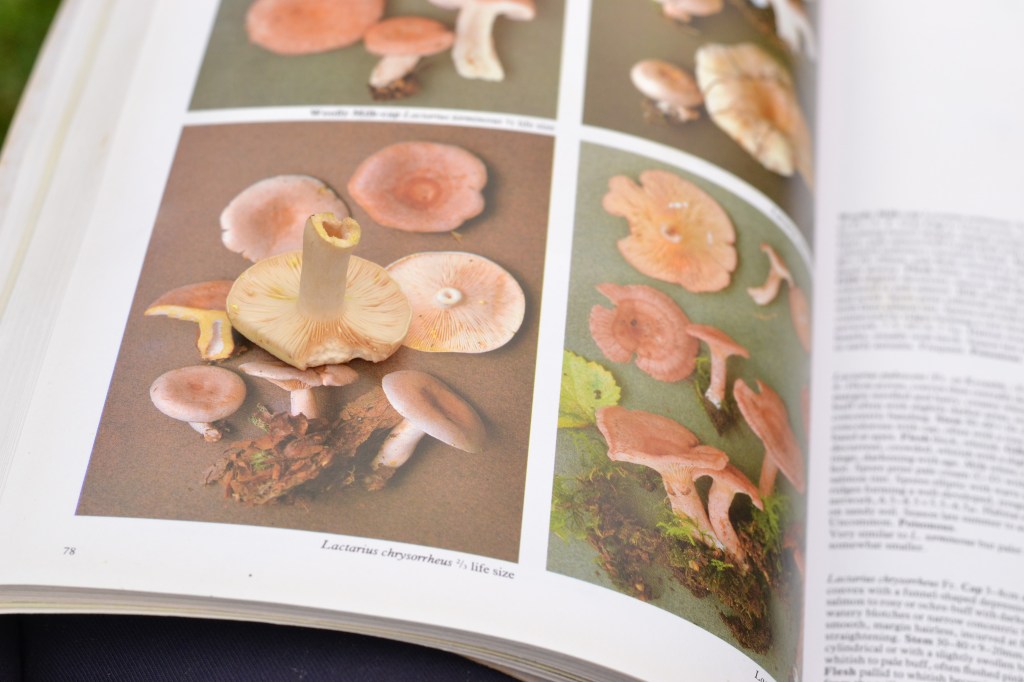
My non-edible find was another, smaller, milk cap that exudes white milk which turns yellow after a few seconds, a lactarius chrysorrheus (pictured resting on a page from the legendary fungi book by Roger Phillips, Mushrooms and other fungi of Great Britain and Europe). 

This is just a few of the fungi I found on one three-hour foray, which covered a remarkably small area of ground. It’s a different way of moving when you’re looking for fungi; you can’t walk at a fast pace, you have to slow yourself down, observe the surroundings, and sink closer to the soil. You don’t follow the worn, linear paths, stomping and sweating; you take considerate steps into the brash and leaf litter, winding as you walk, stopping often to scan the ground. Crouching down to get a fox’s-eye view of the territory, allowing your eyes to adjust, the fungi realm reveals itself. 


A wee disclaimer that this post is not intended as an identification guide. Please do your own extensive research and be absolutely sure of identification if you are planning to eat any wild fungi you collect.

Spinning beginnings

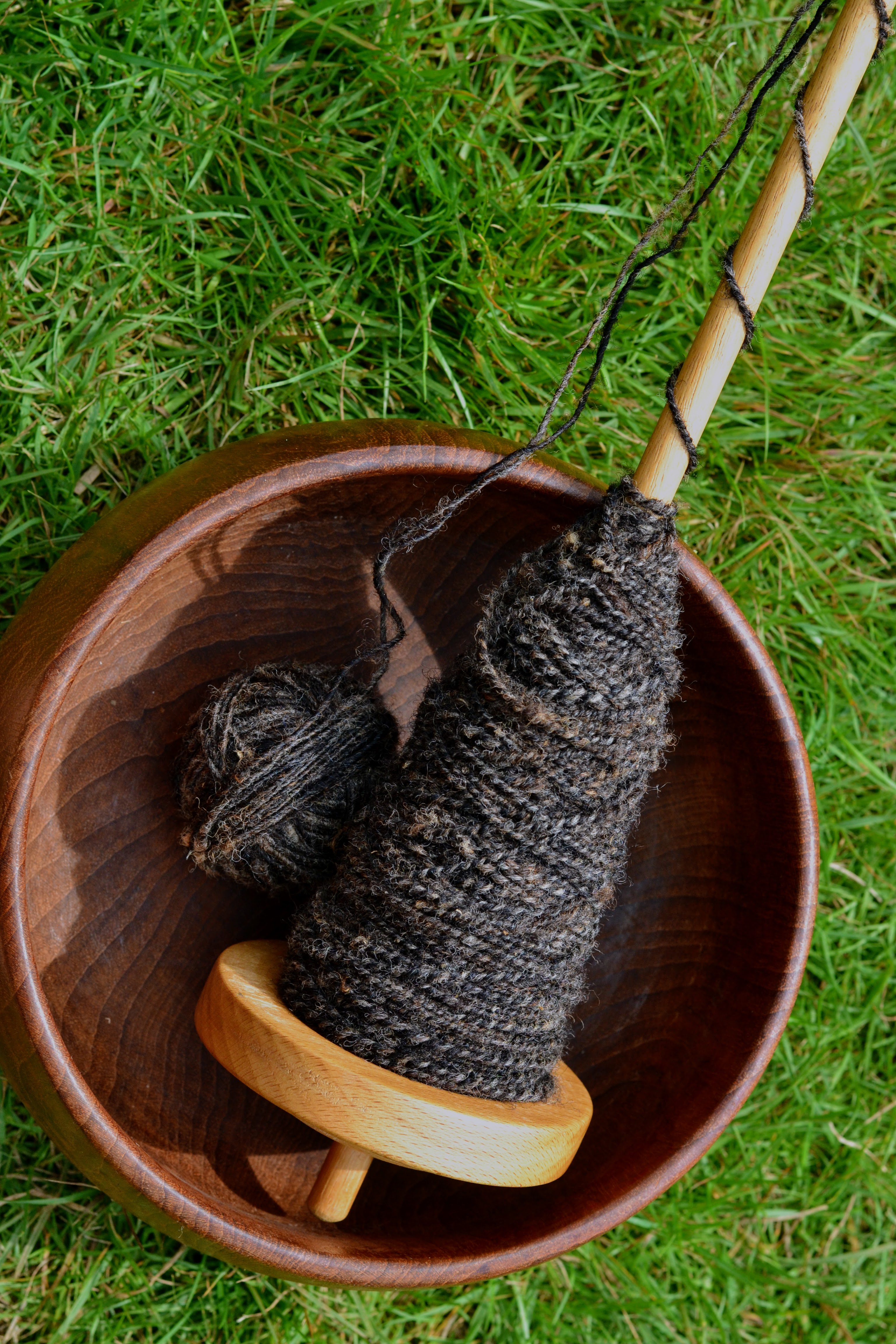
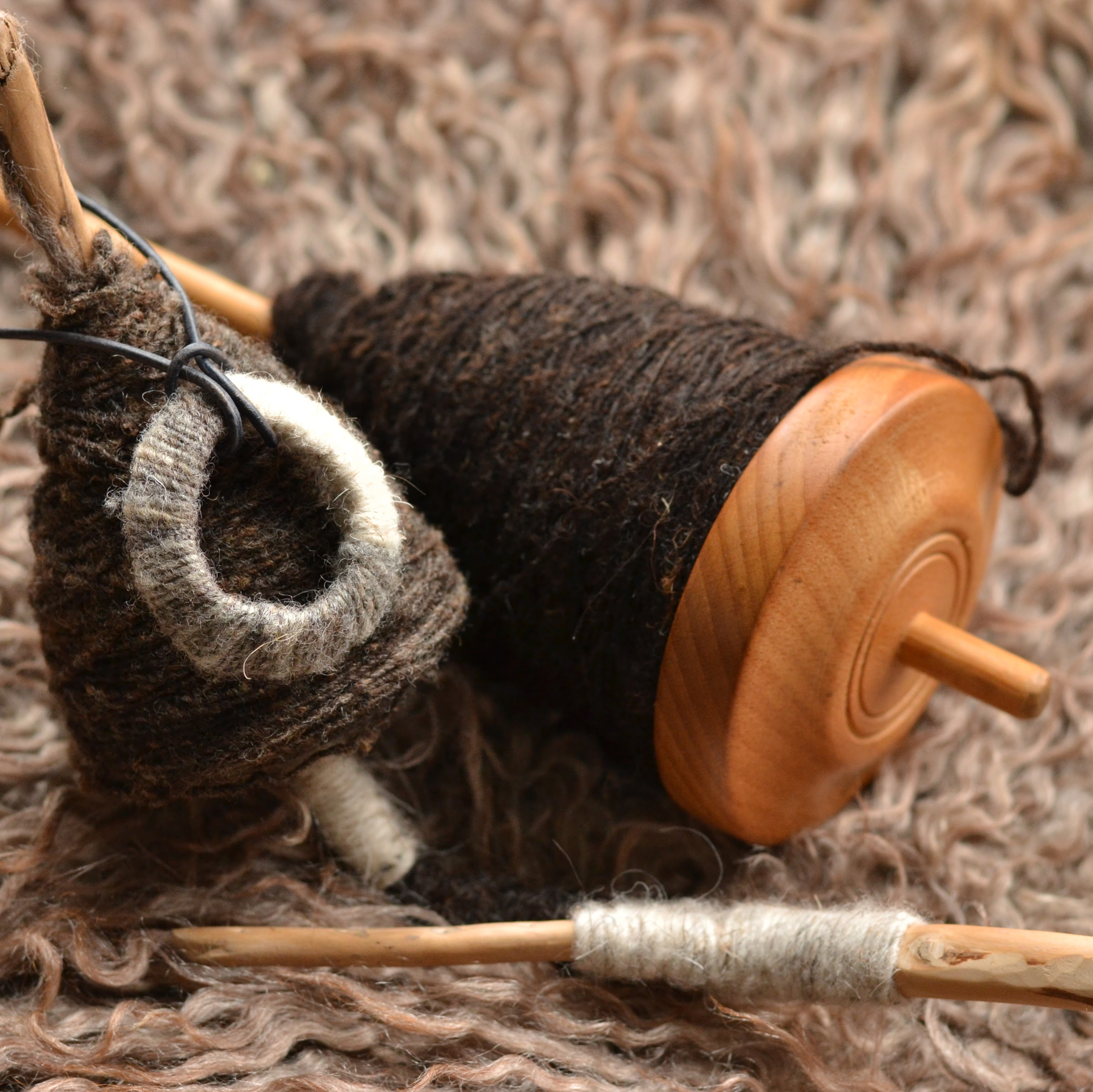
My relationship with spinning began when I was walking near Gurnal Dubs, one of my favourite lesser-known spots in the Lake District, in 2017. As I walked, I collected scraps of Herdwick wool that sheep had shed across the fell. I sat down in a sheltered spot, my back leaning against a sun-warmed crag, and I simply began to twist the fibres until they made an unbreakable chunky thread in my fingers. 

That summer I travelled with the fleece pieces and when gathering around firesides with friends, with stories being spun and smoke spiralling skyward, I would twist the wool into thin rudimentary rope and wrap it around a sand-smoothed pebble. I still have that first piece of yarn that I made. A reminder of where it began. 

My interest in creating natural fibres stalled after that first experience- I didn’t really have the equipment or knowledge I needed to take it further. But I eventually bought a wooden drop spindle from a community charity shop in Ullapool while I was travelling around the northwest coast of Scotland. I had no idea how to use it and without any fleece on hand, I put the drop spindle away in my craft box under my bed, and waited. 

A year earlier, before I found the drop spindle, I met fellow vanner, Lee, and he had told me that his partner, Janet, was an experienced spinner. Janet had written a book about her travels around Scotland on a folding bike- Knit 1 Bike 1: A knitting and cycling tour of Scotland. The encounter with Lee remained with me and when I met him again a year later, having acquired the spindle and some North Ronaldsay rovings (fleece prepared for spinning) on a trip to Orkney, I asked expectantly if Janet was around for a spinning tutorial. 

And so it was that Janet and I spent some time by the sea near Whithorn and she taught me some of the basics of spinning with a drop spindle. I learnt so much from that serendipitous interaction and I am so grateful to her for sharing her skills and knowledge with me. I’m also grateful to them both for sharing their low impact life stories with me, further inspiration and encouragement for my own exploration. 

Since I learnt the basics, I’ve mainly been allowing my hands and body to intuitively guide me to the next step. I’ve gradually learned to spin and draft simultaneously, a step on from the beginners technique of park and draft. I’ve also been to a spinning group at the Carlbeck Community Centre near Teesdale. Here, the women mainly use spinning wheels but they also have knowledge and experience of using drop spindles as well as weaving, dyeing and preparing fleece for spinning. Their enthusiasm, warmth and gentle guidance has helped me find even more confidence in my spinning. 

To me, spinning feels very much like a remembering. I can’t help thinking that, as this is such an ancient skill – remnants of hand spun fibres have been found dating back tens of thousands of years- it is part of us in a deep, primal way. Perhaps our bodies remember how to do it without us necessarily having to learn it at a cognitive level. Given a little bit of guidance, we know what to do.

I also feel that spinning is a practice that I can always learn more about. There are no limits; there are so many different types of natural fibre to work with. Each and every fleece is unique, reflecting the individuality of the sheep (or other animal), the breed and age of the animal, the conditions in which it has lived or been reared, the environment in which it resides. And that’s before even considering plant-based fibres, such as nettle and flax.

How one prepares the fibre before spinning is also part of the story, and for me is the beginning of the journey. You could say that before preparation there is the relationship with gathering or collecting the fibre, especially if you have your own flock of sheep, or if you grow flax or go foraging for nettles. A flock of my own sheep may be beyond my current possibilities as a van-dweller, but I do love to know where the fleeces I acquire come from. I have been kindly gifted various fleeces recently from friends in the north of England and Dumfries and Galloway and I look forward to getting to know these fibres over the coming months as I process and prepare them for the long winter of spinning by the woodburner.

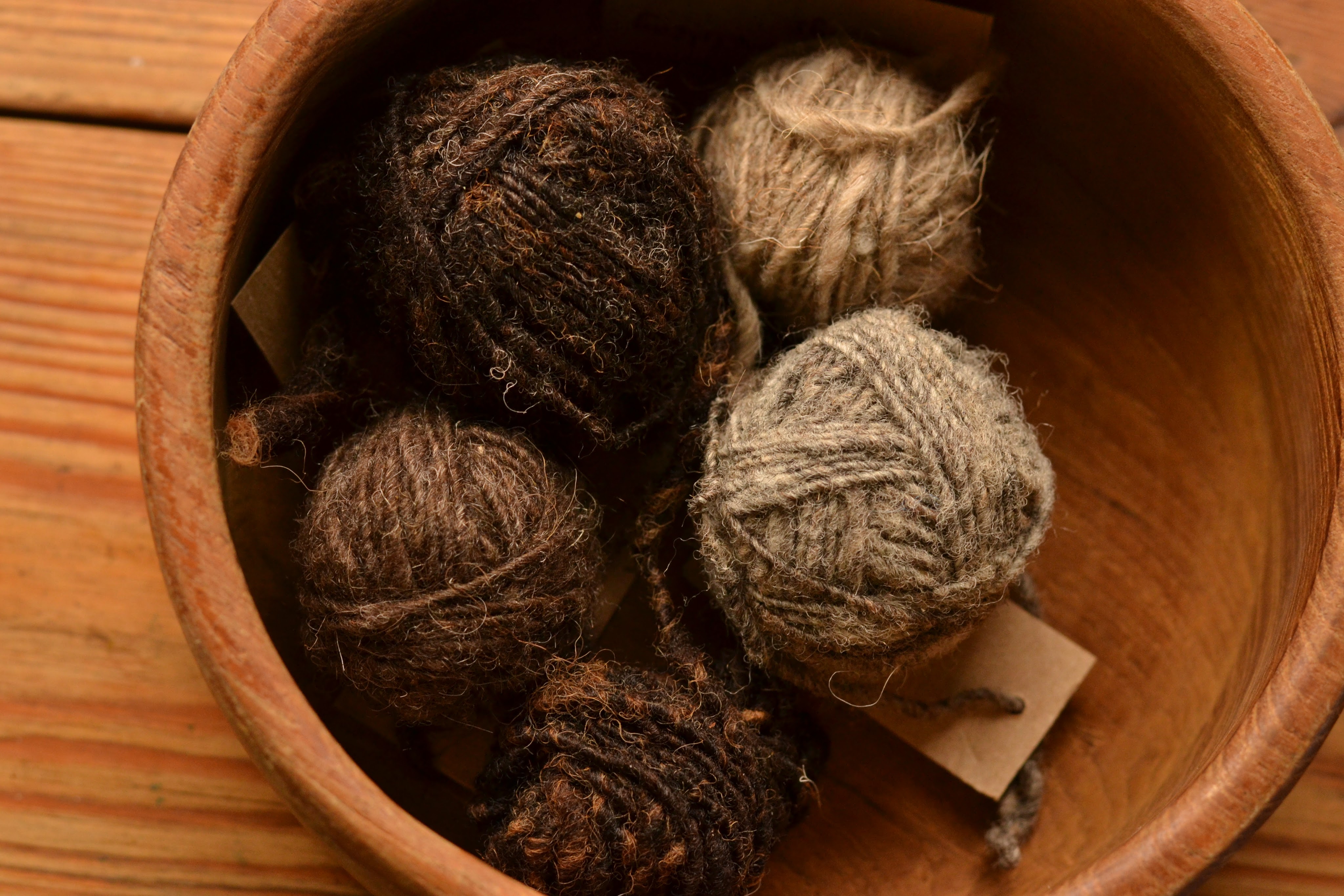
This journey of learning to spin has in some ways been a journey of unravelling, moving backwards from using a finished product to learning all of the processes which come before that- acquiring the raw material, cleaning the fleece by washing and scouring, preparing the fleece by carding (essentially getting all of the fibres facing roughly in the same direction), and then spinning the clean carded fleece into yarn. 

And when you get to the spinning, that feels like the stuff of fairytales. Magic happens when you see the fragile and incoherent fibres begin to turn into something strong, something weight-bearing, something that can then be made into something else. There is so much to be learned at each step of the process that eventually makes the product; the journey is as important as the outcome. 


If you are interested in learning how to spin, I highly recommend the book Respect the Spindle: Spin Infinite Yarns with One Amazing Tool, by Abby Franquemont, an interesting, insightful and colourful guide to how to choose a spindle, the different ways to make yarn with spindles, and an overview of the use of spindles in cultures around the world. I would also thoroughly recommend finding a local spinning group or guild to get hands-on guidance. 
Foraged ferments and wild art

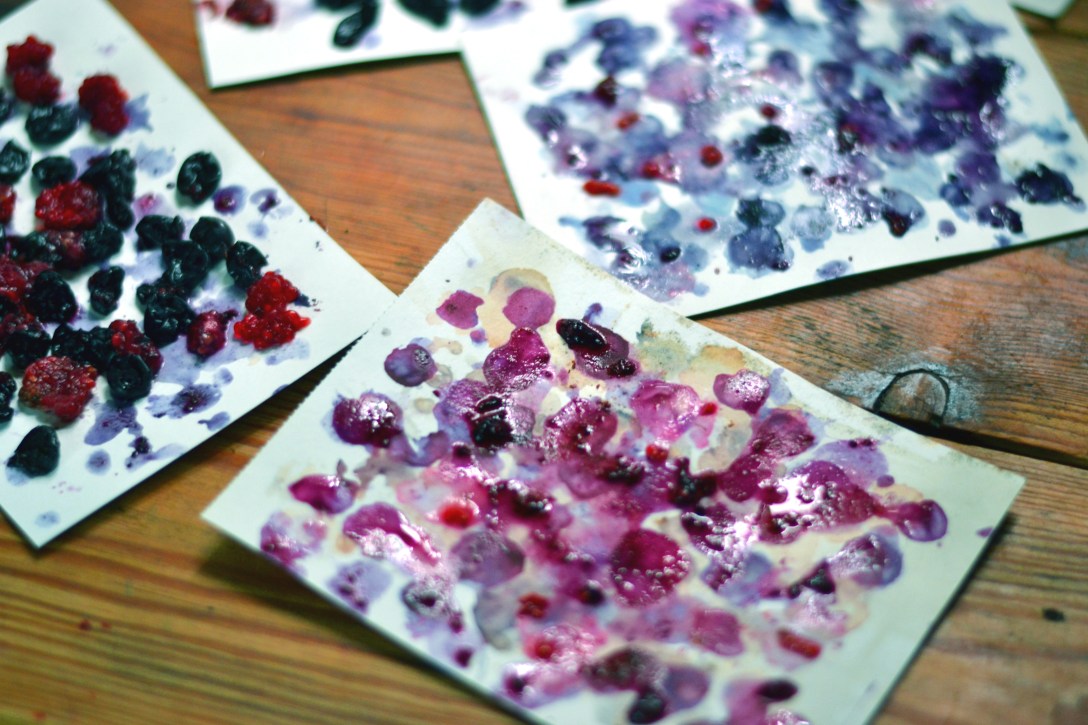
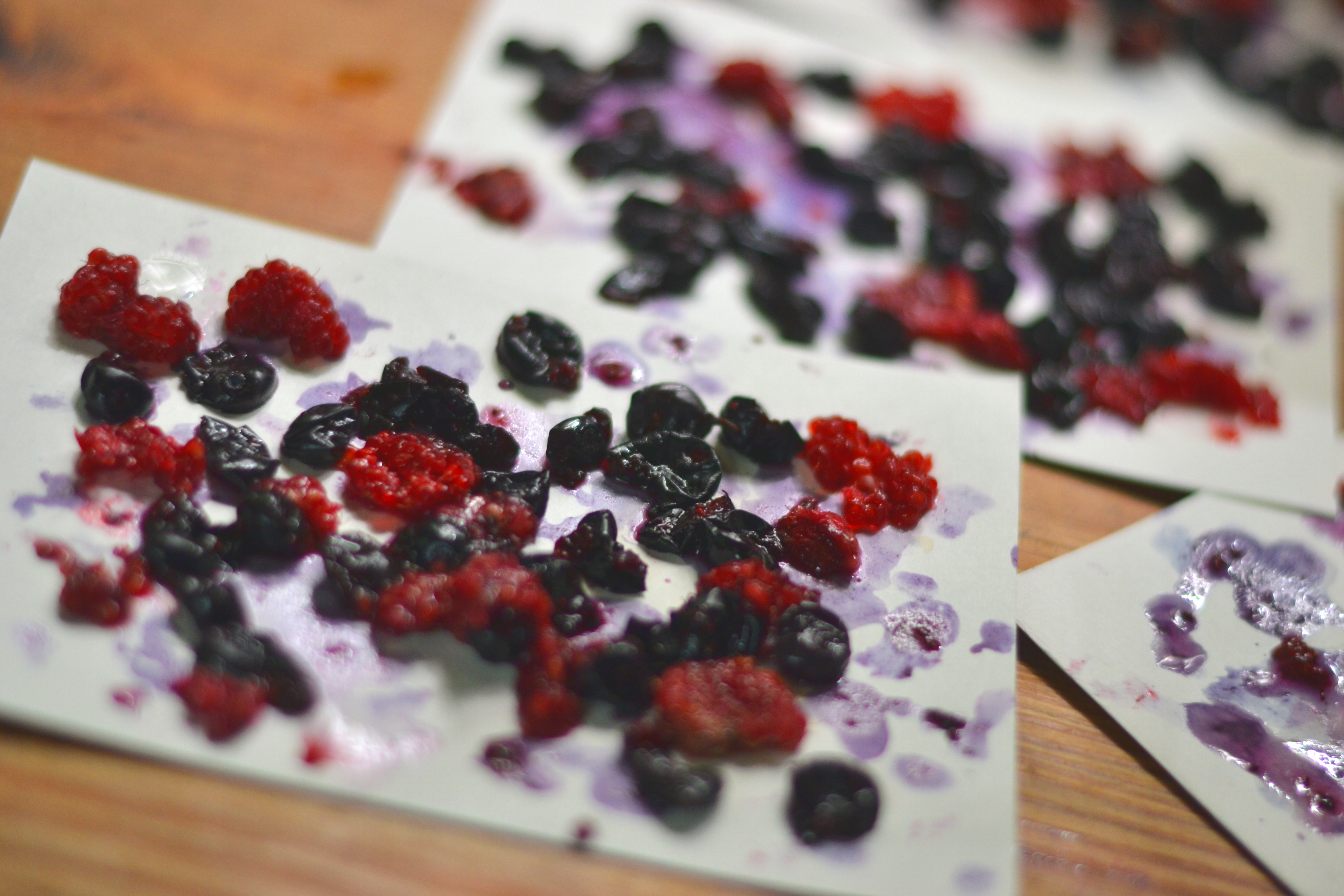
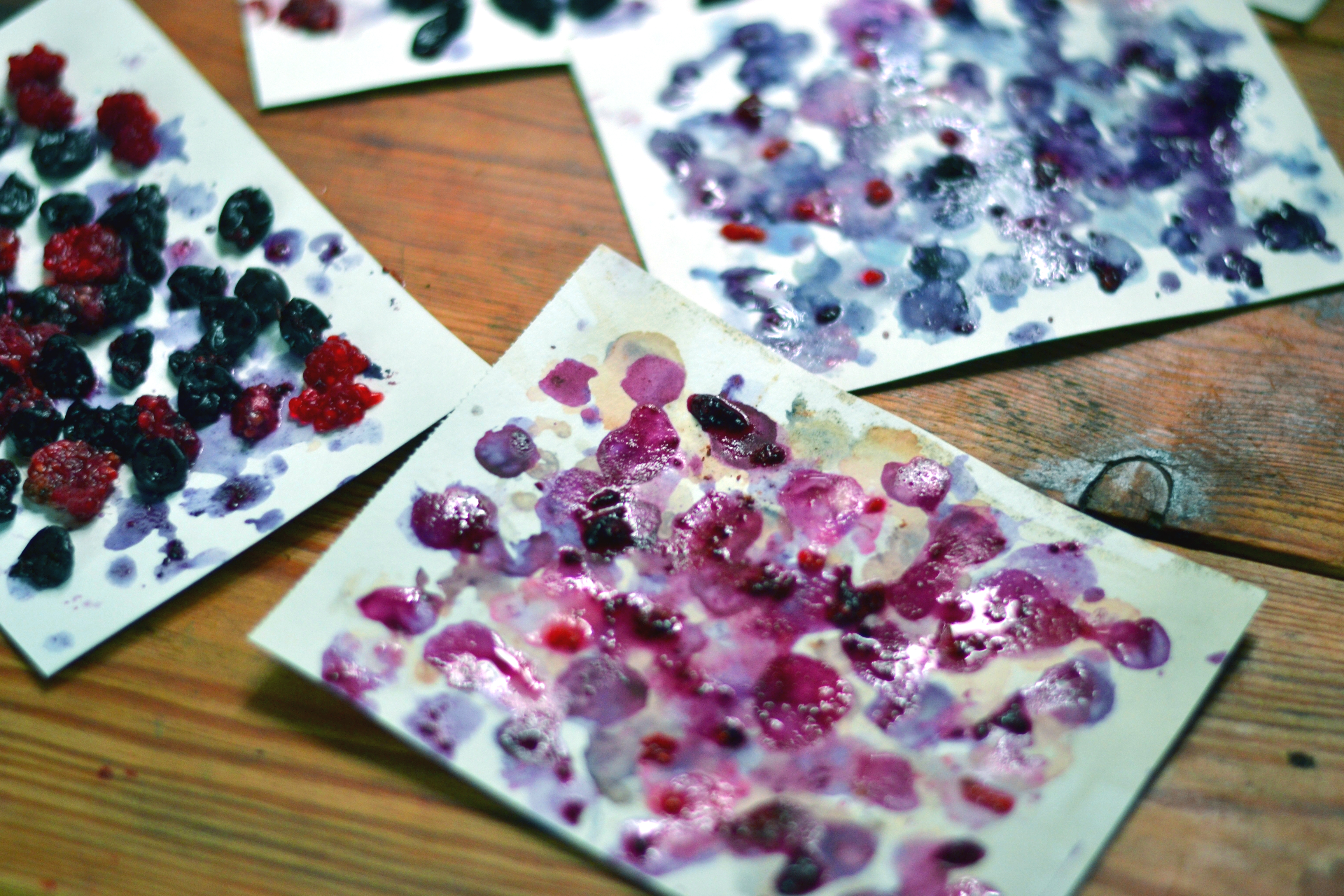
The bilberries and raspberries have been abundant in the little corner of South West Scotland I’ve been exploring this July. I love how my fingers are stained purple from picking, and my tongue turns blue from the wild feast. When I’ve had my bellyful, I like to smoosh some basket-bruised berries on pieces of card to make postcards with the raw pigment. Over the coming weeks and months the colours change and fade. It’s a reminder that natural dyes are just that, natural and organic, they have a life of their own. They are not always permanent in the way chemical dyes can be. I like that. I like it when things remind me of the cycles of life and change and death, the vibrant violet of fresh bilberry juice maturing to muted brown. 

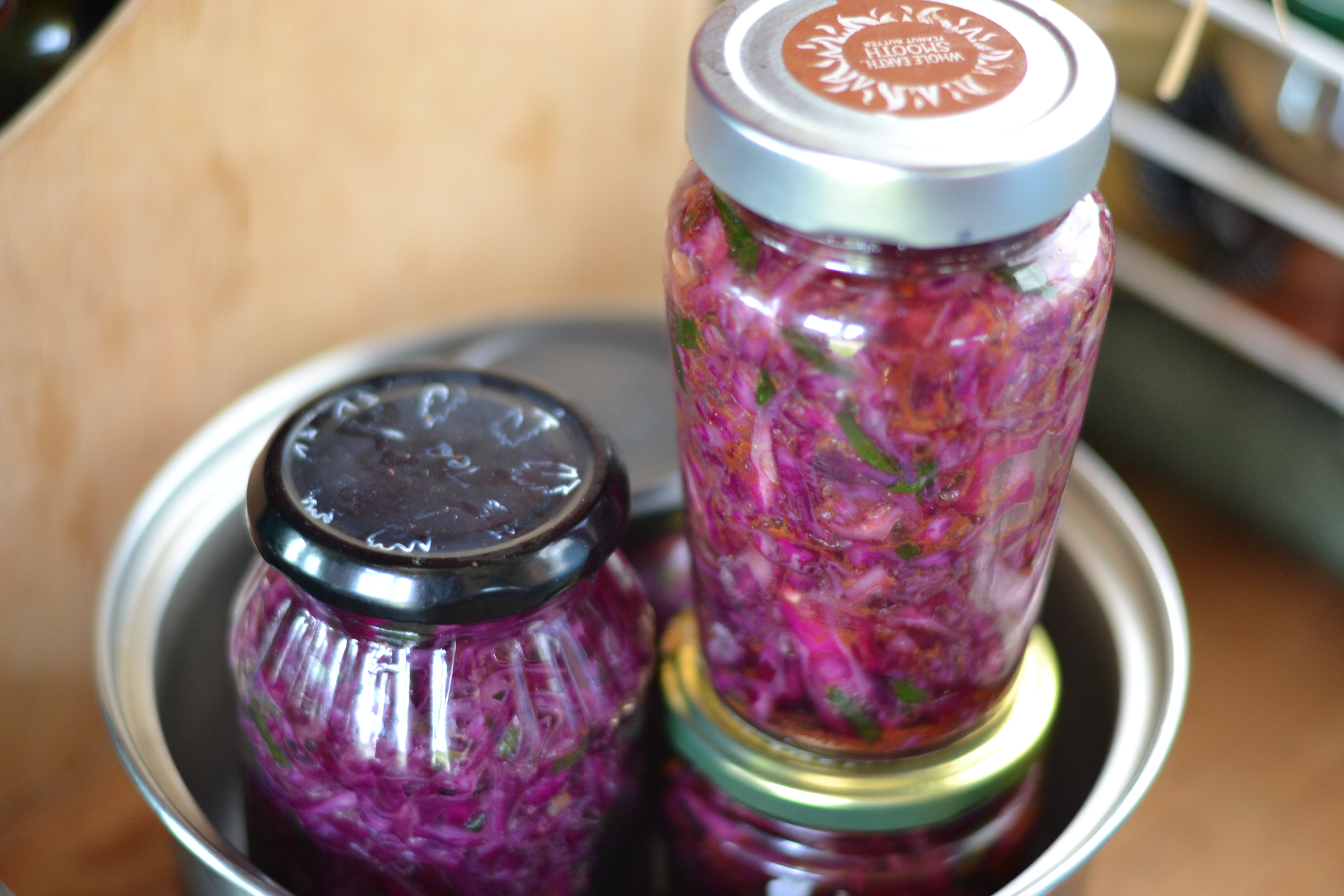
I’ve also been making red cabbage kraut-chi this week, with various ingredients foraged and gifted to me on my travels. I’ve tried a couple of recipes, one with smoked paprika, chilli flakes and chives from Glentrool community garden, and another with herbs from friends’ gardens- winter savoury and oregano. I also hand squeezed a couple of plums into each batch because some recipes call for apple juice or pear juice, but I decided to use what I had to hand. The reality of storing fermented food in a small, intimate space is that you do get some interesting smells emanating from the jars, and occasionally the sounds of the fizzing ferments can take you by surprise when you’re lying in bed! But it’s worth it to eat something that feels so alive and nourishing.

To subscribe and receive updates when I publish new posts, please add your email below:

Welcome to the journey

A wee note to welcome you to the stravaig journal.

In the journal, I’ll share glimpses into my journey of creative, connected living while I wander and weave around the British Isles in my humble home-on-wheels. 

Welcome to the journey!

Please add your email below if you’d like to subscribe and receive updates when I add new posts to the journal.